
Understanding Professional Structure Relocation Services
Moving a building is a complex undertaking that requires specialized expertise, advanced equipment, and careful planning. Structural relocation contractors play a crucial role in ensuring that entire homes and buildings can be safely lifted, transported, and placed in their new locations without damage. Structural relocation contractors evaluate every aspect of a structure, from its weight and foundation materials to its surrounding environment, to determine the best way to move it securely. Whether a homeowner wants to preserve a historic property, avoid demolition, protect a building from environmental risks, or make room for new development, professional relocation services make it possible. In many cases, relocating a structure is more cost-effective and environmentally responsible than rebuilding from scratch. Choosing experienced specialists is essential to keep the property stable during each stage of the move.
How Structural Relocation Contractors Move Whole Buildings
The process of relocating an entire building may sound almost impossible, but for experts equipped with modern engineering tools, it is a carefully choreographed operation. It involves multiple stages, each of which must be completed with precision and attention to safety.
The Engineering Behind Structure Relocation Services
Every successful relocation starts with engineering evaluations. Contractors begin by conducting a comprehensive inspection of the structure. They document materials, construction style, load distribution, and potential stress points. This information allows engineers to design a custom plan for lifting and transporting the building. Advanced technologies such as hydraulic jacking systems, steel support beams, computer-assisted modeling, and laser measuring equipment are used to calculate weight, balance, and potential challenges. Engineers determine where to place steel beams under the structure to support it during the lift. They also analyze the soil and foundation at both the origin and destination to ensure stability. In addition, contractors evaluate required permits, travel routes, utility line adjustments, overhead clearance, and road conditions. Every variable must be addressed before any equipment is mobilized.
Preparing Your Home for Relocation Day
Preparation is one of the most critical phases of a structural move. Before relocation day, contractors disconnect utilities, including water, gas, electricity, and sewage. They also coordinate with local service providers to ensure a safe disconnection and reconnection process. Next, contractors excavate around the foundation to create clear access points for steel beams. Openings may be made in the foundation to insert lifting equipment, or the foundation may be removed entirely, depending on the relocation plan. Once the steel beams are set, they are attached to hydraulic jacks that gradually lift the structure from its foundation. The lift is performed slowly and evenly to prevent stress, cracking, or structural shifts. Depending on the building, interior items may need to be secured or removed to avoid damage. Homeowners often work closely with movers to prepare interiors, secure fragile belongings, and plan for temporary accommodations during the project. In many cases, temporary bracing is installed inside the structure to reinforce walls and prevent movement during transport. Contractors also prepare the destination site by grading the area, laying temporary access pathways, and ensuring foundation work is ready to receive the relocated building.
Safety Standards Followed by Relocation Professionals
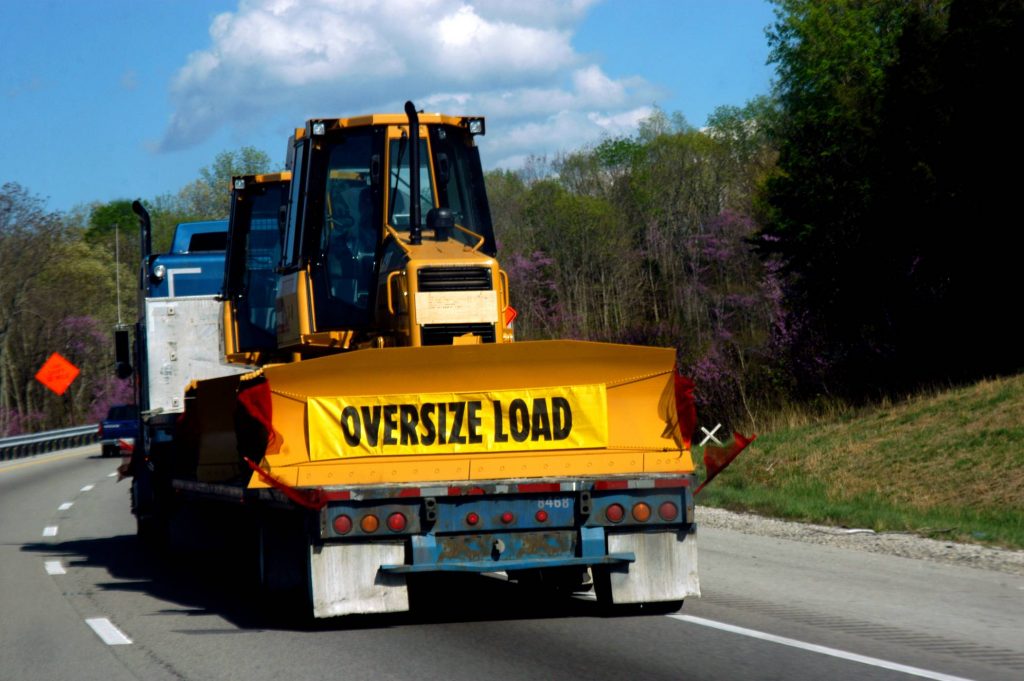
Safety is a top priority during any structural relocation. Contractors follow strict federal, state, and industry regulations to ensure the structure, crew, and surrounding community remain protected throughout the move. Specialized equipment such as hydraulic dollies, jacking systems, cribbing, and steel supports is inspected regularly to ensure reliability. During lifting and transport, contractors closely monitor pressure loads, alignment, and elevation. Crew members communicate constantly using radios and coordinated signals to maintain precision. The transport route is carefully pre-planned to avoid obstacles, maintain safe speeds, and protect the structural integrity of the building. Escorts may be required, including utility companies to raise power lines, local police to guide traffic, and transportation officials to approve road closures. Weather conditions also play a major role. High winds, heavy rain, or icy roads can pose risks during relocation, so contractors monitor forecasts and schedule moves accordingly. When the building reaches its new location, crews carefully lower it onto the new foundation. This step requires precision and synchronization to ensure the structure aligns perfectly with the foundation layout. Once set, the structure is secured permanently, utilities are reconnected, and final inspections are completed.
Why Choose Expert House Relocation Specialists
Relocating a structure is far more complex than standard moving services. It requires engineering, construction knowledge, heavy equipment operation, and specialized transport expertise. Hiring professional contractors ensures that each stage is handled with the highest level of care.
Reduced Risk of Structural Damage
Experienced relocation specialists know how to protect buildings from shifting, cracking, or collapsing during the lift and transport process. They use high-quality materials and proven engineering methods to keep the structure stable. Without professional expertise, the risk of costly damage increases significantly.
Efficient Project Management
From obtaining permits to coordinating utility adjustments and transportation logistics, structural relocations involve multiple layers of planning. Contractors streamline the process by working directly with local authorities, engineers, inspectors, and utility providers. This reduces delays and helps ensure the relocation stays on schedule.
Cost Savings and Sustainability
Relocating a home is often more affordable than tearing it down and rebuilding. It also reduces waste by preserving existing materials. Historic homes, custom-built structures, and buildings with sentimental value can be preserved and repurposed rather than demolished.
Access to Specialized Equipment
Professional relocation companies invest in advanced machinery that allows them to move structures of varying sizes and weights. Hydraulic dollies, unified jacking systems, steel beams, and heavy-duty transport rigs are essential for a safe move. These tools are not available through standard moving companies.
Peace of Mind for Property Owners
When you hire expert contractors, you gain a team that understands how to minimize risk, protect your property, and deliver reliable results. Homeowners and commercial property owners can feel confident knowing their structure is in the hands of trained professionals who adhere to strict safety standards and industry best practices.
Contact Associated Pacific Movers Today
When you need a building relocated or a large object transported in Boise, ID, or anywhere in the state, Associated Pacific Movers, Inc. is the company to call. For over 40 years, we have provided private and commercial clients with outstanding moving services for everything from commercial and heavy equipment to homes and mobile homes, along with building raising and house lifting. Contact us today for your next move and experience the highest level of professionalism and care in the industry.