
Heavy Equipment Hauling
Heavy equipment hauling covers construction, agricultural, industrial, energy, and oversized machinery that needs real planning, legal routing, and the right trailer setup. Associated Pacific Movers, Inc. handles specialty moves that standard freight carriers and general movers are not built to manage.
We are based in Idaho and plan heavy equipment moves across the region with a focus on route logic, securement, scheduling, and delivery readiness. If your project also includes structural work, start with our services overview to compare the full lineup.
What Our Heavy Equipment Hauling Team Handles
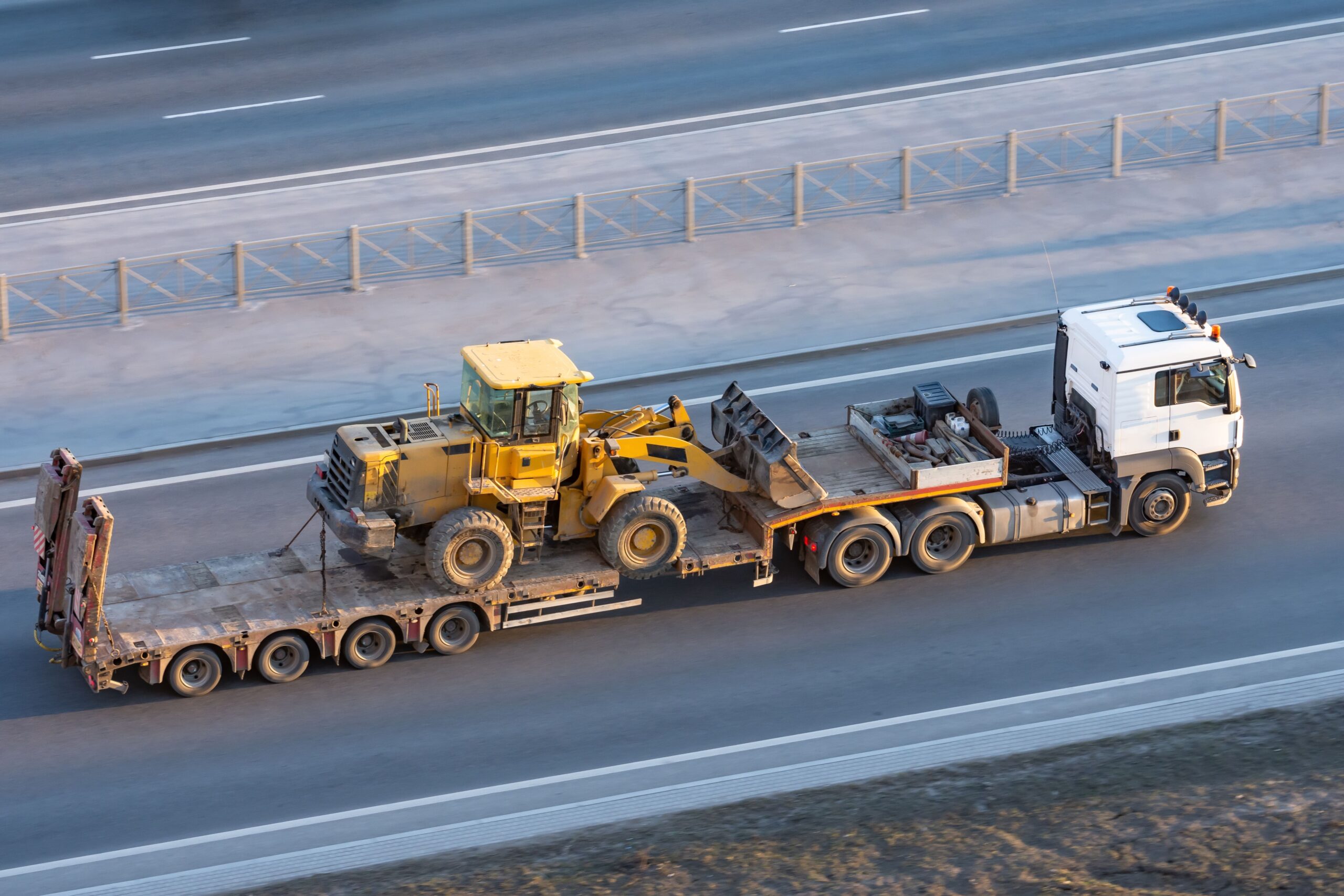
Heavy hauling is a specialty service, not a standard trucking job. The real work begins before loading starts: dimensions have to be confirmed, access points reviewed, attachments identified, trailer fit matched, and the route planned around legal and physical limits. We approach every move with a project mindset instead of a generic shipping mindset.
We support contractors, site managers, farmers, industrial operators, municipalities, and private owners who need machinery moved safely and efficiently. If your project also includes a structure, our home and building moving and house lifting and building raising services cover that side of the job.
Real-World Jobsite Conditions
Jobsites are rarely simple. Grades, mud, uneven access, tight turns, low overheads, and timing windows all affect how a machine should be loaded and hauled. The safest move is almost never the one based on guesswork. It is the one based on measurements, securement logic, and the actual route.
What Clients Provide for a Faster Quote
- Equipment type and use case
- Length, width, height, and estimated weight
- Photos showing attachments and tie-down points
- Pickup and delivery addresses
- Site access concerns like gates, slopes, or soft ground
- Target delivery window or project deadline
If the machine does not run or drive under its own power, say so at quote time. Non-running equipment usually needs a crane, winch, or ramp system to load, and that changes both the trailer selection and the crew size on the day, which is not something we want to discover for the first time at the pickup site.
Good next step: call 208-376-8660. You can also browse our project gallery or read customer reviews before reaching out.
What We Haul and How We Plan It
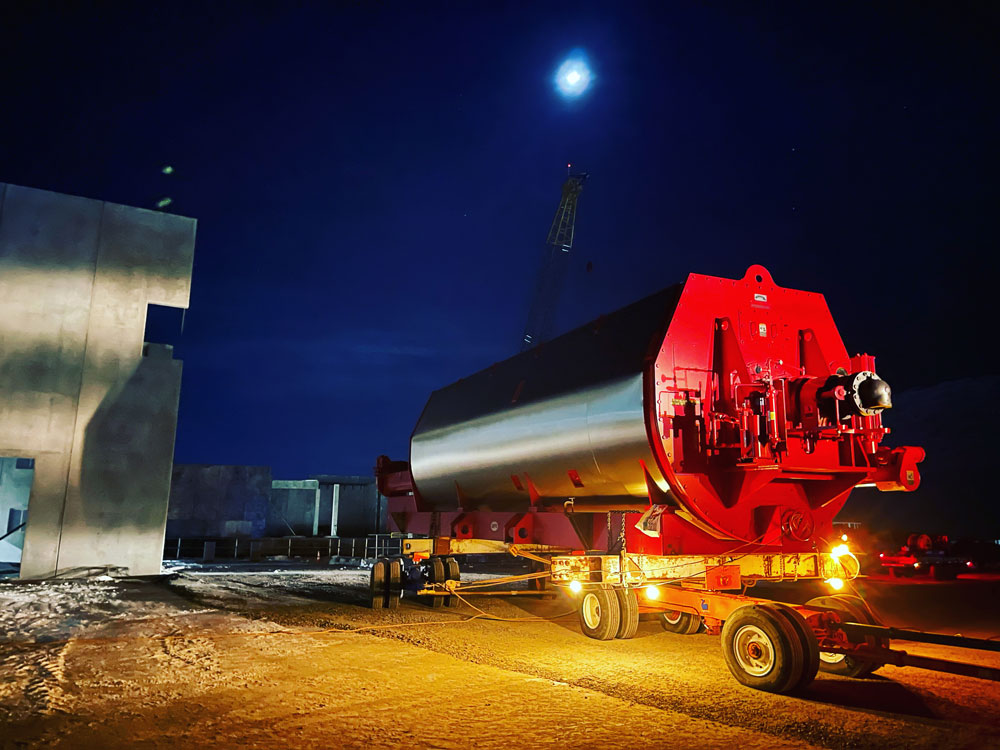
Our team handles moves where size, weight, shape, or operating condition make standard transport risky or inefficient. Some loads can be driven onto the trailer and secured directly. Others require staged loading, rigging, lift assistance, or attachment removal before transport.
Common Heavy Equipment Types
Some clients first think they need standard equipment moving when what they actually need is a higher-control heavy haul plan. That distinction usually comes down to oversized dimensions, concentrated weight, an unusual center of gravity, awkward loading geometry, or stricter route limitations, any of which push a job out of standard freight territory. If what you actually have is a manufactured home rather than machinery, our mobile home movers service is built specifically for that kind of oversize load.
Move Planning Scorecard
These are the categories that drive a successful heavy haul plan.
Every Move Is Built Around
- Correct weight and dimension verification
- Attachment awareness and securement points
- Load balance and center-of-gravity logic
- Route constraints and permit requirements
- Practical scheduling that limits downtime
Trailer Matchups and Why They Matter
Trailer choice affects height clearance, loading angle, stability, and route viability. Choosing the wrong trailer can create problems before the truck even leaves the site.
| Trailer type | Best fit | Typical examples |
|---|---|---|
| Flatbed | Standard profile equipment with manageable height | Forklifts, skids, palletized units |
| Step deck | Taller loads needing lower deck height | Tractors, smaller excavators, industrial units |
| Double drop | Loads needing tighter height control and lower center carriage | Larger machinery, oversized construction equipment |
| Oversize haul trailer | Very heavy or dimensionally challenging freight | Bulldozers, combine harvesters, specialty machinery |
How Our Heavy Haul Process Works
The safest heavy equipment haul is the one that solves the job on paper before the truck moves an inch.
Scope the Machine
We gather dimensions, weight, photos, attachment details, and operating condition so the hauling method matches the actual load.
Review the Route
We evaluate turns, grades, clearance issues, site approach angles, and other route realities that could affect trailer choice and timing.
Match Trailer and Securement
We select the equipment and securement method based on weight distribution, deck height, machine profile, and loading geometry.
Execute Pickup and Transport
We coordinate timing, loading, travel, and handoff so your crew can plan around a realistic delivery window.
Why This Matters
Rushed equipment moves usually fail in predictable ways: wrong trailer selection, bad approach angles, weak securement logic, poor access planning, or permit issues discovered too late. Our goal is to eliminate those avoidable problems before move day, whether the load is a single excavator or a full jobsite relocation.
Situations That Usually Require More Planning
- Oversized width or height relative to the route
- Non-running equipment that needs staged loading
- Attachments that change balance or clearance
- Soft ground, tight gates, or uneven pickup areas
- Delivery windows tied to active jobsite schedules
None of these are automatic deal-breakers. They just mean the quote call needs a few more details than usual, and the plan gets built around the actual constraint instead of a generic assumption about what “heavy equipment” means for that particular load. A five-minute conversation about site conditions almost always costs less than discovering the problem with a loaded trailer already on site.
Seasonal and Weather Factors
Winter routes bring their own version of these same problems. Ice and snowpack change how a machine sits on a trailer during braking and turns, and some mountain passes carry seasonal weight or chain restrictions that do not apply the rest of the year. Spring thaw can soften unpaved jobsite access to the point where a machine that loaded fine in January cannot get close to the pickup point in April. We build seasonal conditions into the route review rather than treating them as an afterthought, and we will tell you upfront if a delivery window looks tight because of the calendar rather than the load itself.
What Drives the Price on a Heavy Haul
There is no flat rate for heavy equipment hauling, because no two machines and no two routes carry the same risk. These are the factors that move a quote up or down.
Distance and Route Difficulty
A short haul on a straightforward highway costs less than the same distance through mountain grades, narrow bridges, or a city with tight overpass clearances. Route difficulty affects fuel, time, and sometimes escort requirements.
Permits and Escort Requirements
Oversize or overweight loads that trigger permit thresholds add processing time and sometimes escort vehicle costs. Getting dimensions right at quote time avoids a surprise permit fee discovered mid-move.
Loading Complexity
A machine that drives onto a trailer under its own power is a faster, cheaper load than one that needs a crane, ramps, or attachment removal before it can be secured.
Trailer Type Required
Specialty trailers like double drops or oversize haul trailers cost more to run than a standard flatbed, and the equipment’s height and weight determine which one the job actually needs.
If your project is part of a larger job involving buildings or foundations, mention that too. Structural and equipment logistics often overlap on a busy site, and coordinating both under one plan avoids two separate crews working around each other unnecessarily.
Heavy Equipment Hauling FAQs
Quick answers for owners, contractors, site managers, and operations teams planning a machine move.
Do I need a permit for heavy equipment hauling?+
Some loads do. Permit needs depend on dimensions, weight, and route details, which is why accurate measurements matter early in the quoting process.
What is the difference between heavy equipment hauling and commercial equipment transport?+
Heavy equipment hauling is usually the better fit for oversized, overweight, or unusually difficult machinery moves. Our commercial equipment transport service is broader and covers more standard business equipment relocation.
What information helps you quote a move faster?+
Equipment type, dimensions, weight, origin and destination, photos, and any known access issues. The more complete the information is, the more realistic the hauling plan will be.
Can you haul equipment outside Boise?+
Yes. Boise is the operating base, but service extends into surrounding states depending on the job scope and route requirements.
Do you only move construction equipment?+
No. We also work with agricultural equipment, industrial machinery, plant equipment, and other large assets where trailer match, securement, and route planning matter.
Need Heavy Equipment Hauling Planned the Right Way?
The goal is simple: match the machine, the route, the trailer, and the schedule before move day.
Helpful references: Idaho permits and FMCSA cargo securement rules.