

Relocating a building is not a simple transportation job. It requires planning, structural evaluation, specialized equipment, route coordination, permits, site preparation, and experienced crews who understand how to protect the structure from the first lift to the final placement. For property owners trying to understand the numbers, a building relocation cost estimator can be a helpful starting point, but the final price depends on far more than mileage alone. The size and weight of the building, the condition of the foundation, the route, the terrain, utility conflicts, weather, and preparation work all affect the total investment. If you are planning a residential, commercial, agricultural, or specialty structure move, Associated Pacific Movers, Inc. can help you understand what the project requires before you commit to the next step.
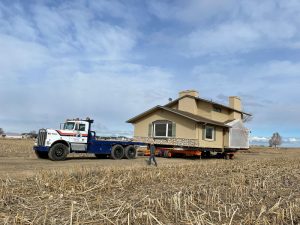
Using a Building Relocation Cost Estimator the Right Way
A building relocation cost estimator helps property owners think through the major cost categories involved in moving a structure. It can give you a practical budget range, but it should never be treated as a guaranteed final quote. A real estimate must account for the structure, the site, the destination, the travel route, the equipment required, permit requirements, and any special conditions that could change the scope of work.
The biggest mistake property owners make is entering only basic information and expecting a precise number. A building is not priced for relocation like a standard household move. The crew must evaluate how the building will be lifted, how it will be supported, whether it can travel safely on the selected route, and how it will be placed at the new site. That is why professional evaluation matters. For projects involving full house or building moving, the home and building moving services provided by Associated Pacific Movers are built around hands-on planning, not rough guesses.
What a Building Relocation Cost Estimator Should Account For
A useful estimate should consider the entire relocation process, not just the distance between the old and new locations. Moving a structure requires coordination between the building mover, property owner, utility companies, local officials, transportation authorities, and sometimes engineers or foundation contractors. If one of those pieces is missing from the estimate, the number may look better upfront but become unreliable once the project moves forward.
Before requesting a quote, gather as many project details as possible. Photos, measurements, property access notes, old foundation information, new site plans, and known route concerns can all help the contractor provide a more accurate budget. For building owners considering elevation before relocation, building raising and house lifting services may also need to be factored into the total project cost.
Details to Prepare Before Requesting a Quote
- Approximate building width, length, height, and number of stories
- Construction type, such as wood frame, masonry, modular, or metal structure
- Current foundation type and known foundation damage
- Distance between the current site and the destination site
- Driveway width, road access, slope, trees, fences, and overhead obstacles
- Utility connections that need to be disconnected or temporarily moved
- Destination foundation plans and site preparation status
- Timeline expectations, seasonal limitations, and urgency
Major Cost Factors That Affect Building Relocation Pricing
Every building relocation is different, but most pricing differences come from a predictable set of factors. Some are obvious, such as structure size and travel distance. Others are easy to overlook, such as soil conditions, route obstacles, utility line coordination, or the amount of work required to prepare the building before it can be lifted. Understanding these cost drivers makes it easier to compare estimates and avoid choosing a low number that does not include the full scope.
Structure Size, Shape, and Weight
The building itself is one of the largest pricing factors. A small single-story structure is usually less complex than a wide, heavy, multi-story building with additions, porches, masonry features, or irregular framing. Larger buildings require more steel, more hydraulic equipment, more labor, more cribbing, and more time. Wider structures may require special route planning because they take up more roadway space and may need escorts, utility coordination, or temporary obstruction removal.
Weight also matters. Wood-framed structures typically move differently than masonry, concrete block, or buildings with heavy fireplaces, brick cladding, stonework, commercial equipment, or reinforced floors. More weight requires more support and careful load distribution. If the building has structural weaknesses, additional reinforcement may be needed before lifting can begin.
Common Structure Variables That Change the Price
- Total square footage and number of levels
- Overall width, height, and roofline complexity
- Construction material and estimated building weight
- Attached garages, porches, decks, additions, or chimneys
- Age of the structure and condition of load-bearing components
- Whether the building must be separated into sections for transport
Foundation Type and Building Preparation
The existing foundation can either simplify the relocation or add significant complexity. Buildings on crawl spaces may be easier to access than buildings on slabs or complicated basement foundations. If the structure must be raised before it can be moved, the crew may need to install steel beams, hydraulic jacks, cribbing towers, and temporary support systems. If the foundation is damaged, unstable, or difficult to separate from the building, preparation time increases.
Some projects involve lifting the building for foundation repair or replacement before relocation is even considered. Property owners comparing relocation and elevation costs should review what to expect with foundation repair and house lifting services, especially when the existing foundation has settlement, cracking, water damage, or access limitations.
Distance, Route Conditions, and Transportation Complexity
Distance matters, but route complexity often matters more. A short move can become expensive if the route includes narrow turns, steep grades, bridges, power lines, traffic concerns, trees, signs, or other obstacles. A longer move on a clear, predictable route may be easier to plan than a short move through dense residential streets or tight rural access roads.
Route planning may involve measuring road widths, identifying turn radiuses, coordinating escorts, reviewing bridge clearances, and checking overhead utilities. If temporary utility adjustments are needed, those costs may come from utility providers or public agencies in addition to the building mover’s work. That is why a route review is one of the most important steps in confirming a relocation estimate.
Route Issues That Can Add Cost
- Low-hanging power, cable, or communication lines
- Narrow roads, sharp turns, and tight intersections
- Bridges, culverts, soft shoulders, or weight-restricted roads
- Steep slopes or uneven rural access roads
- Traffic control needs, escorts, or temporary road closures
- Tree trimming, sign removal, or fence modifications
How Permits and Utility Coordination Affect the Estimate
Building relocation usually requires permits, route approvals, and coordination with local or regional authorities. The exact requirements depend on the structure, route, jurisdiction, and scope of work. A move in a rural area may have different requirements than a move through a dense residential or commercial district. Before a structure can be moved, the project may need approvals related to oversize transport, road use, excavation, utility disconnection, foundation work, and placement at the destination site.
Property owners may need to coordinate with local building departments, transportation authorities, utility providers, and inspection offices when structural work, road movement, or code compliance issues apply. For broader transportation standards and oversize vehicle guidance, the Federal Highway Administration provides useful information on oversize and overweight permit practices. A qualified building mover can help identify which approvals are likely to affect the schedule and budget.
Permit Costs Are Not Always One Flat Fee
Permit costs can vary depending on the city, county, road jurisdiction, structure dimensions, travel route, and destination requirements. Some moves require several separate approvals rather than one simple permit. The process can also affect timing. If a utility company, municipality, or transportation department needs advance notice, the schedule may need to be adjusted before moving day can be confirmed.
Property owners should not treat permits as an afterthought. They can affect cost, route selection, crew scheduling, and project feasibility. The guide on what permits are required for building relocation offers a closer look at the types of approvals that may apply before a structure is lifted and transported.
Common Permit and Coordination Items
- Oversize load or transport permits
- Local building permits for foundation work or structural changes
- Utility disconnect and temporary line adjustment coordination
- Road use permissions or traffic control requirements
- Excavation, grading, or site preparation approvals
- Destination foundation inspections or placement approvals
Site Conditions That Change Building Relocation Costs
The conditions at both the pickup site and destination site can dramatically change the estimate. A structure with excellent access, stable soil, and a prepared destination foundation is usually more straightforward than a building surrounded by fences, trees, tight driveways, wet ground, or limited equipment access. Site conditions determine how crews can position equipment, install lifting systems, create temporary supports, and safely move the building out of or onto the property.
Access Around the Existing Building
Access is one of the most underestimated cost factors. Crews need space to work around the building, place steel beams, position jacks, install cribbing, maneuver trucks, and safely guide the structure out of the site. If landscaping, retaining walls, decks, fences, sheds, septic components, irrigation systems, or other obstructions are in the way, they may need to be removed or protected before relocation begins.
Limited access can also add labor time. If equipment cannot be positioned efficiently, the crew may need to use a more complex setup. That can increase preparation time, equipment requirements, and overall project cost.
Soil, Slope, and Weather Conditions
Soil stability affects how lifting equipment and temporary supports perform. Soft, wet, sandy, or disturbed soil may require additional reinforcement or temporary access improvements. Sloped sites can require more careful leveling, cribbing, and equipment positioning. Weather can also matter. Snow, freezing temperatures, spring runoff, and heavy rain can delay work or require additional site preparation.
Destination Site Readiness
The new site must be ready before the building arrives. If the destination foundation is incomplete, inaccessible, incorrectly placed, or not prepared for final set-down, the project can stall. Good planning includes reviewing the destination foundation, driveway access, staging space, utility plans, and final orientation of the building before moving day.
Why Destination Planning Matters
A building relocation does not end when the structure reaches the new property. The structure must be aligned, lowered, secured, and integrated with the new foundation and utilities. When the destination site is properly prepared, final placement is smoother and the risk of expensive delays is lower.
Small Planning Details Can Prevent Big Cost Changes
Even details such as the direction the building faces, how the driveway is graded, where utility trenches are located, and how much room exists for equipment can influence the final cost. Clear planning before moving day protects the schedule and reduces last-minute surprises.
Cost Comparison: What Changes a Building Relocation Estimate?
The table below outlines how different project conditions can influence the final budget. These are not fixed prices, but they show why two structures of similar size can receive very different estimates.
| Cost Factor | Lower-Cost Scenario | Higher-Cost Scenario |
|---|---|---|
| Structure size | Small, single-story, simple footprint | Large, wide, multi-story, irregular footprint |
| Building weight | Light wood-frame construction | Masonry, heavy framing, stone, brick, or commercial components |
| Foundation access | Clear crawl space or accessible foundation | Slab, damaged foundation, basement complications, or restricted access |
| Route difficulty | Wide roads, few turns, clear overhead lines | Narrow roads, utility conflicts, bridges, steep grades, or traffic control |
| Site preparation | Open access and prepared destination foundation | Trees, fences, slopes, soft soil, incomplete foundation, or limited staging area |
| Permits and utilities | Simple local approvals with minimal coordination | Multiple jurisdictions, utility adjustments, escorts, or road use restrictions |
How to Get a More Accurate Building Relocation Quote
A reliable estimate starts with accurate information. A contractor can only evaluate what they know. If important details are missing, the estimate may need to change once the project is inspected. The more information you provide early, the easier it is to identify potential complications before they become expensive.
Photos, Measurements, and Site Notes Help Narrow the Range
Start with clear photos of all sides of the building, the foundation, access points, driveway, surrounding obstacles, and destination site. Include approximate measurements of the structure, the distance of the move, and any known issues such as foundation cracks, low power lines, tight roads, or poor soil conditions. If you have blueprints, surveys, site plans, or foundation drawings, those can also help.
It is also smart to explain your main goal. Some property owners want to preserve a valuable home, move a commercial building, raise a structure for a new foundation, relocate a historic building, or move a structure to make room for development. The reason for the move affects how the project should be planned. If the building must be lifted before transport, the information in when to hire foundation raising contractors can help clarify whether raising, repair, replacement, or relocation is the right sequence.
Questions to Ask Before Choosing a Building Mover
- What is included in the estimate and what is billed separately?
- Will the route be reviewed before the final quote is confirmed?
- Who handles permit coordination and utility communication?
- What site preparation must be completed before moving day?
- Does the project require structural reinforcement before lifting?
- How will the building be supported, transported, and placed?
- What could cause the estimate to change after inspection?
Why the Lowest Estimate Can Become the Most Expensive Option
A low estimate is only useful if it includes the real scope of work. Building relocation is too technical for vague pricing. If an estimate leaves out permits, route issues, utility coordination, foundation preparation, site access problems, or destination readiness, the number may look attractive but fail once the details are reviewed. That can lead to delays, change orders, or safety risks.
Experienced building movers price projects based on planning, equipment, labor, risk control, and execution. The right contractor should be willing to explain what is included, what is not included, and what unknowns could affect the final cost. For property owners comparing relocation options, it can also help to understand how structural relocation contractors move entire homes so the estimate can be evaluated against the actual work required.
Professional Planning Protects the Building and the Budget
Good planning reduces risk. It helps determine whether the building can be moved safely, what route should be used, how the structure should be lifted, what permits apply, and what needs to happen before moving day. Skipping that planning can result in damaged framing, cracked foundations, scheduling problems, or unexpected site work. A professional estimate should help you understand both the price and the process.
When a Building Relocation Cost Estimator Is Most Useful
An estimator is most useful during early planning. It helps property owners decide whether relocation is realistic, whether more information is needed, and whether a professional site visit is the next step. It is especially helpful when comparing relocation against demolition, new construction, foundation replacement, or property redevelopment.
Budgeting for Residential, Commercial, and Specialty Structures
Residential homes, cabins, garages, barns, commercial structures, modular buildings, and specialty structures can all have different cost considerations. A residential home may require careful utility and foundation planning. A commercial structure may involve heavier loads, access limitations, or special equipment. A rural structure may involve long access roads, soft ground, or agricultural obstacles. The estimator should be used to start the conversation, not finish it.
Associated Pacific Movers also handles projects beyond traditional house relocation, including heavy equipment and specialty moving needs. If your project involves large machinery or industrial equipment instead of a building, heavy equipment hauling services may be the better fit.
Frequently Asked Questions About Building Relocation Cost Estimators
How accurate is a building relocation cost estimator?
A building relocation cost estimator can provide a helpful budgeting range, but it is not a final quote. Accuracy depends on the quality of the information provided, including structure dimensions, foundation type, route conditions, site access, utility issues, and destination readiness. A professional inspection is needed before the final price can be confirmed.
What is the biggest factor in building relocation cost?
The biggest factor is usually the complexity of the move, which includes the building’s size, weight, foundation access, route difficulty, and site conditions. Distance matters, but a short move with tight access, utility conflicts, or difficult terrain can cost more than a longer move on a clear route.
Do permits affect the cost of moving a building?
Yes. Permits can affect both the cost and the timeline. Depending on the project, you may need approvals for oversize transport, road use, foundation work, utility disconnects, excavation, or final placement. Requirements vary by jurisdiction and route.
Can a house be moved if it has foundation damage?
Sometimes, yes. Foundation damage does not automatically prevent relocation, but it does require a careful inspection. The structure may need reinforcement before lifting, and the moving plan may need to account for compromised framing, settlement, moisture damage, or weakened load-bearing areas.
Is it cheaper to move a building or build a new one?
It depends on the structure, location, property goals, and construction costs. Moving a building can make financial sense when the structure has high value, historic importance, reusable materials, or a better use at a new site. New construction may be better when the existing structure is severely damaged or cannot be moved safely.
What information should I provide for a building relocation estimate?
Provide photos, measurements, current and destination addresses, foundation details, access notes, route concerns, utility information, and your preferred timeline. Site plans, surveys, blueprints, and foundation drawings are also helpful when available.
Talk With a Building Relocation Team
A building relocation cost estimator can help you start planning, but the safest next step is a professional review from a team that moves structures for a living. Associated Pacific Movers, Inc. has more than 40 years of experience with house moving, building relocation, structure lifting, heavy equipment moving, and complex transport projects. Whether you are moving a home, raising a structure, relocating a commercial building, or trying to understand whether the project makes financial sense, the team can help you evaluate the details clearly. Contact Associated Pacific Movers to discuss your project and get a practical estimate based on the real conditions involved.