

Relocating a building is a major undertaking that requires careful planning, specialized expertise, and a realistic understanding of the potential expenses involved. For many property owners, one of the first steps is using a building relocation cost estimator to get a sense of what the project might cost. While this tool is incredibly useful, the estimate is only as accurate as the information you provide. Several important factors influence the final price of moving a structure, from the size of the building to the terrain that must be navigated. Understanding these variables helps ensure you enter your project with clear expectations and a reliable budget.
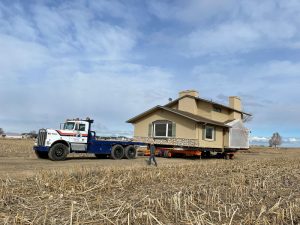
Using a Building Relocation Cost Estimator Effectively
A cost estimator is designed to provide a general price range based on the most common components of a structure move. To get the most accurate results, you should prepare as much detailed information as possible before beginning your estimate. Factors such as dimensions, the type of foundation, utilities, soil conditions, and the distance of your move will all influence the outcome. Many property owners underestimate the number of elements involved in building relocation. A structure is not simply lifted and transported. Instead, crews must evaluate the condition of the building, assess access roads, review local permitting requirements, and determine any modifications needed to ensure the move can be completed safely. Providing this information upfront will help your estimator reflect the true scope of the project rather than a rough average.
In addition, keep in mind that online estimators should be used mainly for budgeting. They offer a helpful starting point, but a professional in-person evaluation is required to confirm your final quote. Building movers rely on advanced equipment and structural engineers to analyze every angle of the project. For a more reliable estimate, consider gathering photos, blueprints, property measurements, and any related site surveys before contacting relocation experts.
The Role of Structure Relocation Services in Pricing
One of the biggest contributors to your overall cost is the specific service package required for your relocation. Structure moving is a specialized skill that involves heavy machinery, engineering calculations, safety planning, and highly trained crews. Some buildings require partial disassembly or reinforcement before the move begins. Others must be raised from a foundation that could need demolition or reconstruction. All of these steps add labor hours and equipment costs.
Structure relocation services often include foundation removal, temporary support systems, hydraulic lifting, steel beam installation, transportation coordination, and the placement of the structure at its new location. If your move requires additional services such as house lifting for flood mitigation or raising a building to construct a new basement, these separate elements will also influence your total price. Understanding which services are included and which are considered add-ons is essential when reviewing your estimate.
Key Factors That Impact Building Relocation Costs
Every structure is unique, and so is every relocation. While estimators provide a baseline, the main cost components usually fall into the same categories. If you understand these categories upfront, you will be better positioned to anticipate expenses and avoid surprises during your project.
Structure Size and Weight
One of the most important cost factors is the structure itself. Larger and heavier buildings require more time, manpower, and equipment to move. Multi-story buildings are more complex because movers must ensure structural rigidity throughout the process. The wider the footprint of your structure, the more steel beams and hydraulic jacks will be required. The height of the building also influences route planning since transporting taller structures may require special permits, detours, or temporary adjustments to utility lines.
Construction materials also play a role. A concrete block home weighs significantly more than a standard wood-framed house, and that additional weight adds fuel, equipment stress, and labor time. Buildings with heavy interior features, such as stone fireplaces or masonry walls, may need reinforcement to ensure they remain stable during the move.
Distance of the Move
Distance is a straightforward cost factor, yet many people underestimate how much it affects pricing. Local moves require fewer resources than cross-county or cross-state relocations. The farther the building must travel, the more hours the crew must work, and the more fuel is consumed. In addition, longer routes often introduce more complicated planning, such as dealing with obstacles, securing travel escorts, and coordinating with transportation departments.
If your route includes areas with tight corners, narrow roads, bridges, or steep inclines, additional planning and engineering work will be required. Roadway modifications, temporary closures, or the installation of support planking can also be part of the cost. A building relocation cost estimator will usually ask for mileage inputs to help calculate this portion of the project.
Terrain and Site Conditions
Terrain is one of the most overlooked aspects of building relocation pricing. Even a modestly sized home can become a challenging project if the access points around the property are difficult to navigate. Movers need enough space to maneuver equipment, insert support beams, and set up hydraulic systems. Sloped land, uneven ground, dense vegetation, and limited entry paths will all increase the complexity of the job.
Soil type is another factor. Soft or sandy soils may require temporary reinforcement to support heavy equipment, while rocky or compacted soils may require excavation. Wetlands, irrigation systems, and underground utilities can also complicate the move. All of these conditions must be evaluated carefully to ensure a safe and stable relocation.
Permit Fees and Hidden Relocation Expenses
Building relocation requires strict compliance with local and state regulations. Permit fees vary based on jurisdiction, structure size, and route requirements. You may need permits for excavation, utility disconnects, road closures, and transportation oversize loads. Cities and counties often have different requirements, which can significantly change your final price.
Hidden expenses may also arise during the preparation stage. Plumbing and electrical lines must be disconnected safely, and HVAC systems may need to be removed or reinforced. Landscaping elements such as fences, trees, or retaining walls may need to be removed or modified to create a clear path for the move. Some projects require structural upgrades to the home before lifting can occur, especially if the building is older or has compromised framing.
How to Get Accurate Moving Quotes in Idaho
If you are planning a building relocation within Idaho, you will benefit from working with a local expert who understands the region’s terrain, permitting structure, and seasonal weather patterns. Idaho’s mix of rural and urban settings means your route may include farmland, mountainous terrain, deserts, or residential neighborhoods. Conditions like snow, freezing temperatures, and spring runoff can also affect project timelines.
To ensure your quotes are accurate, consider scheduling an on-site evaluation as early as possible. Professional building movers will inspect access points, analyze structural integrity, and assess soil conditions. They will also advise you on timeline expectations and offer guidance on permitting requirements specific to the Boise region or other parts of the state.
Idaho’s growth has increased demand for structure relocation and building lifting services. Many homeowners choose to relocate or raise their homes rather than build new structures because it preserves property value and saves materials. For businesses, relocating heavy equipment or commercial structures can also be more cost-effective than new construction.
How to Plan Your Project Budget Efficiently
Budget planning begins with a realistic understanding of your estimator results. Always assume that the initial online estimate is a general guideline rather than a fixed price. Build a contingency budget to account for unexpected issues such as soil instability, utility conflicts, or weather delays. Communicate openly with your movers about your budget constraints so they can help identify cost-saving options.
You should also gather multiple quotes if possible. However, when comparing quotes, make sure you review the services included. The lowest bid is not necessarily the best option, and quality should be a priority. Experienced movers with extensive industry knowledge are more likely to complete your project safely, efficiently, and without costly setbacks.
Contact Associated Pacific Movers Today
When you need a trusted partner for building relocation, heavy equipment transport, home lifting, or structure moving in Boise or anywhere in Idaho, Associated Pacific Movers, Inc. is ready to help. For over 40 years, we have provided exceptional residential and commercial relocation services across the state. Contact us today for your next move and work with Idaho’s premier building relocation experts.