
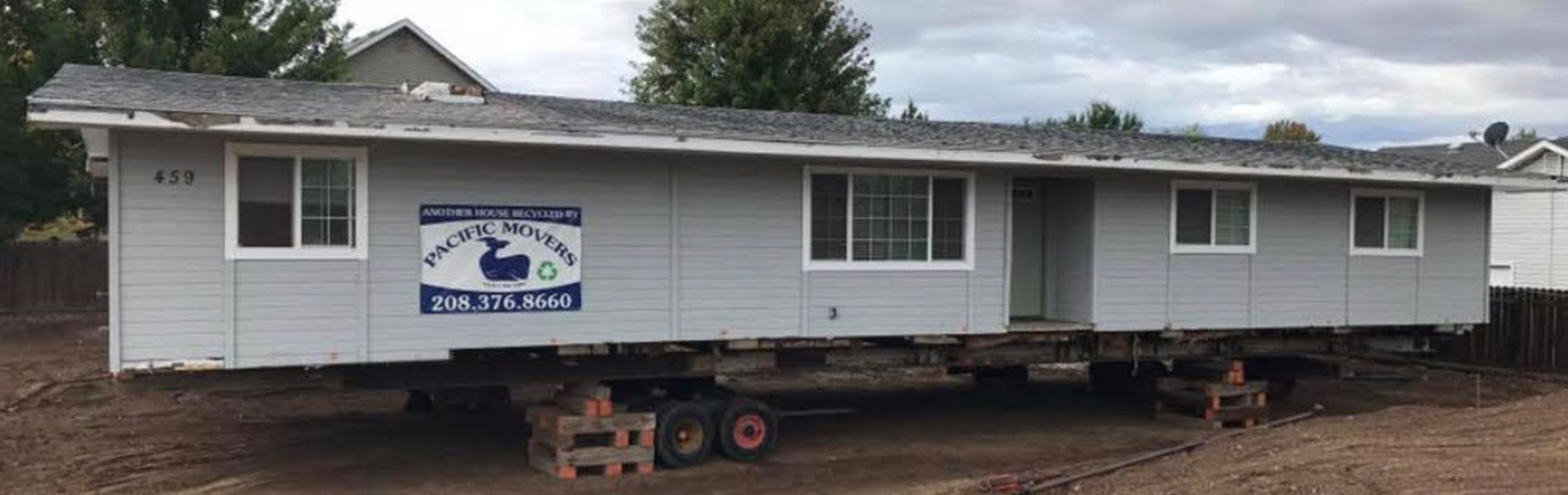
Transporting modular buildings is a precise and complex process that combines engineering, logistics, and safety expertise. Modular building transport involves moving prefabricated structures, sometimes entire sections of buildings, from manufacturing sites to their permanent locations. This process requires coordination between engineers, surveyors, drivers, and escort teams to ensure every load arrives intact and on time. From pre-move inspections and route surveys to specialized trailers and reinforcement techniques, each step is critical to maintaining structural integrity and meeting regulatory requirements.
Route Survey and Overhead Obstacle Assessments
Before a modular building ever leaves the construction site, the first step in any successful transport plan is a comprehensive route survey. This detailed assessment ensures the path from the fabrication facility to the destination can safely accommodate the height, width, and weight of the load. Surveyors evaluate roads, bridges, and clearances to detect potential issues that could affect safe passage.
A typical modular building can range from 12 to 16 feet wide and 12 to 14 feet tall once loaded on a trailer. Because of this size, even a few inches of miscalculation can lead to collisions with overpasses, power lines, or tree limbs. Engineers and logistics coordinators use GPS mapping, state transportation databases, and visual inspections to identify these hazards early.
Survey teams often travel the intended route in advance, documenting problem areas such as tight intersections, steep inclines, and narrow shoulders. When obstacles are discovered, they may request temporary road closures or arrange for utility companies to lift power lines. Route surveys are also submitted to state and local authorities for review, as wide-load or heavy-haul transports require specific permits.
Dealing with Low Bridges and Narrow Roads
Low bridges are among the most common challenges in modular building transport. When a module’s overall loaded height exceeds clearance limits, crews must plan alternate routes or make temporary modifications. In some cases, haulers use adjustable hydraulic trailers that can lower the building closer to the ground, gaining several critical inches of clearance.
Narrow or winding roads also require special attention. Transporting a structure that spans the full width of a two-lane road often means coordinating with local police or highway patrol for traffic control. Escort vehicles travel ahead and behind the load to block intersections and ensure the driver can maneuver safely through tight turns.
When moving through urban or suburban neighborhoods, timing becomes a factor as well. Transport may be scheduled during off-peak hours, often at night, to minimize disruptions and maintain safety for both the crew and the public.
These preemptive assessments and adjustments ensure the modular unit arrives without damage while keeping all road users safe.
Reinforcement Techniques for Structural Integrity
Once the route is verified and permits are in place, the next step focuses on ensuring that the modular building can endure the journey. Transporting a large, preassembled structure exposes it to stresses not encountered during normal use. Engineers must reinforce the unit to prevent warping, cracking, or structural shifting while in transit.
Reinforcement techniques vary depending on the building’s design and construction materials, but they share a common goal: maintaining rigidity and stability from start to finish. Steel frames, corner castings, and internal bracing systems are common tools used to achieve this strength.
Temporary reinforcements are installed before loading begins. Walls and ceilings may be cross-braced with lumber or steel bars to prevent flexing. Doors and windows are locked or covered to protect them from wind pressure and vibration. The floor system, especially in multi-section buildings, is sometimes reinforced with additional beams or plates to prevent sagging.
Modular builders work closely with structural engineers to determine where stress points may occur during lifting and hauling. They calculate forces from acceleration, braking, and cornering to ensure all joints and welds remain intact throughout the move.
Internal Bracing and Corner Castings Explained
Internal bracing is one of the most critical reinforcement measures for modular building transport. This process involves installing temporary supports that counteract torsional forces and vibrations. For example, diagonal steel straps or timber braces may be secured across walls and ceilings to prevent the structure from twisting or flexing.
In addition to internal bracing, corner castings play a vital role. These heavy-duty steel fittings are mounted at each corner of the module and provide anchor points for lifting and securing the building to the transport trailer. Originally developed for shipping containers, corner castings allow cranes to lift the unit evenly, minimizing the risk of stress fractures or bending.
By using a combination of bracing and corner castings, movers ensure that each modular unit behaves as a single, stable piece during loading, transit, and unloading. This attention to detail preserves the integrity of the structure and reduces the need for repairs or adjustments upon arrival.
Hauling Equipment and Escort Requirements
Transporting a modular building requires specialized hauling equipment designed to handle oversized and heavy loads. These rigs differ significantly from standard flatbed trailers, offering advanced control systems and configurations to accommodate a variety of building shapes and sizes.
The most common types of trailers used include hydraulic platform trailers, extendable drop-deck trailers, and steerable dollies. Each type is engineered to maintain balance, reduce vibration, and distribute weight evenly across axles.
Hydraulic trailers are particularly useful because they allow operators to raise or lower the deck height as needed to clear bridges or uneven terrain. Some advanced trailers can also tilt or steer independently, providing greater maneuverability on sharp turns or tight access roads.
Because most modular buildings exceed standard highway size limits, hauling them typically requires one or more escort vehicles. These vehicles ensure safe passage by managing traffic flow, monitoring obstacles, and maintaining constant communication with the driver.
Communication Protocols Between Driver and Escort
The relationship between the driver and escort teams is one of the most critical components of a successful modular building move. Communication protocols are strictly followed to maintain coordination and ensure safety throughout the journey.
Each transport operation begins with a briefing where drivers, escorts, and project managers review the route plan, potential hazards, and contingency procedures. Radio communication is maintained at all times, typically on dedicated frequencies reserved for pilot and chase vehicles.
The lead escort drives ahead of the main load to identify potential issues such as sudden traffic changes, road debris, or low-hanging obstacles. The rear escort follows behind, providing updates on clearances and blocking lanes when necessary.
When approaching intersections or narrow turns, escorts may temporarily stop traffic or walk alongside the load to provide real-time guidance. Verbal cues and hand signals are also used to ensure precise maneuvering in congested areas.
This synchronized communication prevents accidents, ensures compliance with permit regulations, and keeps all team members informed. In some states, certified pilot car operators are required to undergo special training to handle wide or heavy loads, adding another layer of professionalism and safety to the operation.
The Loading and Unloading Process
Although not always discussed in depth, loading and unloading are critical phases of modular building transport. Improper handling during these stages can cause misalignment or damage to the structure, even if the road journey is flawless.
Cranes or hydraulic lifts are typically used to position the modular sections onto trailers. Operators follow precise lift points identified during the engineering phase to avoid twisting or compressing the frame. Once on the trailer, the unit is secured using a combination of chains, straps, and corner locks.
Weight distribution is closely monitored, as even slight imbalances can affect the trailer’s handling. During unloading, the process is reversed carefully. Crews use guide ropes and spotters to align the building precisely with its foundation or adjoining sections.
At the destination, engineers inspect the module for any signs of stress or distortion before it’s permanently joined with other sections or anchored to the foundation.
Regulatory and Permit Considerations
Every modular building transport must comply with a complex set of local, state, and federal regulations. Because these moves often involve oversize loads, haulers must obtain special permits for width, height, and weight exemptions.
Permits typically specify allowable travel times, routes, and escort requirements. In some regions, moves are restricted to daylight hours or non-peak traffic times. Additional permits may be required for crossing bridges or traveling through multiple jurisdictions.
Permit officers also review safety measures such as signage, lighting, and load securing methods. Failure to comply can result in fines, delays, or denial of passage.
Experienced movers like Associated Pacific Movers, Inc. handle this paperwork on behalf of clients, ensuring compliance with all applicable rules while minimizing downtime. Our familiarity with Idaho’s transportation regulations makes us a trusted partner for modular building and home relocation projects.
The Role of Engineering in Safe Modular Transport
Behind every successful move is a team of structural and transportation engineers who calculate, plan, and supervise every phase. Engineers analyze the weight distribution, determine stress points, and specify reinforcement materials based on the building’s composition.
Finite element analysis (FEA) software is sometimes used to simulate how the building will respond to forces during lifting, hauling, and unloading. This level of precision helps identify potential weak spots and ensures the structure remains sound from start to finish.
In addition, transportation engineers evaluate the hauling rig’s axle load limits and tire pressures to ensure compliance with highway weight restrictions. Their coordination with local authorities and escort teams provides a seamless link between planning and execution.
Environmental and Weather Considerations
External conditions can significantly influence modular building transport. Rain, wind, or snow can affect traction, visibility, and overall safety.
Movers often schedule transports during favorable weather windows to avoid high winds, which can create dangerous sway in large, flat-sided modules. Temperature extremes are also considered, as materials like steel and wood can expand or contract under certain conditions.
In rural or undeveloped areas, soil stability and road conditions are evaluated to prevent trailer sinking or tipping. These factors are part of the route assessment and are continuously monitored throughout the move.
Post-Transport Inspections and Reassembly
Once the modular building reaches its destination, thorough inspections are performed before installation. Technicians check structural alignment, inspect fasteners, and ensure electrical and plumbing connections are intact.
Minor cosmetic repairs, such as patching seams, replacing trim, or releveling doors and windows, are common. However, with proper preparation and reinforcement, significant damage is rare.
The final phase involves aligning and connecting the individual modules. Sealants, bolts, and weatherproofing materials are applied to create a seamless finished structure. Engineers verify that the combined building meets all relevant building codes before occupancy.
The Future of Modular Building Transport
As modular construction continues to grow in popularity, advancements in transport technology are keeping pace. Innovations like self-leveling hydraulic trailers, advanced GPS tracking, and digital route modeling have made moves safer and more efficient.
Sustainability is also shaping the future of transport logistics. Companies are exploring lightweight materials, aerodynamic trailer designs, and optimized routing to reduce fuel consumption and emissions.
With urban development increasing and housing demand rising, modular building transport is expected to become even more sophisticated, allowing faster, safer, and more eco-friendly delivery of prefabricated structures.
Partner with Idaho’s Modular Transport Experts
Modular building transport is a highly coordinated effort that combines detailed route planning, structural reinforcement, and expert hauling techniques. From navigating low bridges and narrow roads to reinforcing each module with precision-engineered bracing, every step ensures safety and success.
When you need a trusted professional for modular building relocation or home moving, choose Associated Pacific Movers, Inc. Based in Boise, Idaho, and serving the entire state, our experienced team specializes in heavy structure transport, modular building relocation, and residential moving. We handle the planning, permits, and precision hauling so you can focus on the next chapter of your project.