
Large structure movers specialize in relocating entire buildings and other oversized structures that cannot be handled with ordinary moving equipment. Houses, barns, commercial buildings, churches, modular structures, and other large structures may require hydraulic lifting systems, steel support beams, specialized dollies, transport equipment, route planning, permits, and extensive coordination.
Because every structure and route presents different challenges, successful relocation begins with a detailed assessment rather than simply choosing a truck. Experienced companies such as Associated Pacific Movers evaluate the structure, origin, destination, access conditions, route, foundation requirements, and equipment needs before the move begins.
How Do Large Structure Movers Relocate Buildings?
Moving a building is a coordinated structural and transportation project. The structure must first be evaluated to determine whether it can be safely supported, lifted, transported, and placed at the new location.
The process can involve structural preparation, utility disconnection, excavation, temporary support, hydraulic lifting, steel beams, transport dollies, route surveys, permits, traffic coordination, and foundation preparation.
What Do Large Structure Movers Evaluate First?
- Structure size, weight, height, and overall dimensions
- Building materials and structural condition
- Foundation type and separation requirements
- Available lifting and support points
- Origin access and working space
- Destination access and foundation readiness
- Road width, bridges, grades, and turning radius
- Overhead utilities, trees, signs, and other obstacles
- Permit and escort requirements
- Weather and ground conditions
Properties involving full-house or commercial-building relocation may require dedicated home and building moving services that combine structural lifting with specialized transportation.
What Types of Structures Can Be Moved?
The feasibility of relocating a structure depends on its design, condition, dimensions, route, and destination. Some buildings are relatively straightforward to support and move, while others require extensive engineering and preparation.
Common Large Structure Moving Projects
| Structure Type | Common Moving Considerations |
|---|---|
| Houses | Foundation separation, utility disconnection, structural support, route clearance, and new foundation placement. |
| Barns | Large footprints, framing condition, rural access, height, and destination site preparation. |
| Commercial buildings | Building dimensions, structural reinforcement, business schedules, utility coordination, and complex transportation routes. |
| Historic structures | Preservation of original materials, fragile finishes, structural integrity, and careful lifting. |
| Churches and community buildings | Large spans, tall rooflines, steeples, interior finishes, and route clearance. |
| Modular structures | Section configuration, chassis or support systems, transportation dimensions, and site access. |
| Garages and outbuildings | Foundation type, structural condition, lifting access, and transport width. |
How Is a Large Structure Prepared for Moving?
Preparation is one of the most important stages because the structure must be supported independently from its original foundation before it can move.
Structural Preparation
Depending on the building, crews may expose portions of the foundation, create access for support beams, brace vulnerable areas, and prepare openings for lifting equipment.
Steel beams are often positioned beneath or through the structure to create a temporary support system capable of distributing the building’s weight during lifting and transportation.
Utility Disconnection
Electrical, gas, water, sewer, telecommunications, HVAC connections, and other services must be properly disconnected before the building is lifted. Qualified utility contractors or tradespeople may be required depending on the systems involved.
Removing Attached Components
Porches, decks, chimneys, additions, steps, awnings, and other components may need to be removed or modified if they cannot safely travel with the primary structure.
How Are Large Buildings Lifted?
Professional structural movers use specialized lifting systems designed to raise structures gradually and evenly. Hydraulic jacks can be synchronized so different parts of the building rise at controlled rates, helping reduce unnecessary stress on framing and finishes.
Projects that involve raising a structure without relocating it may instead call for specialized building raising and house lifting for foundation replacement, elevation changes, basement construction, or similar work.
Typical Lifting Sequence
- Expose and prepare structural support areas: Crews establish access beneath the building where support beams and lifting equipment can be positioned.
- Install support beams: Steel beams are arranged to distribute the building’s weight.
- Position hydraulic lifting equipment: Jacks are placed according to the lifting plan.
- Raise the structure gradually: The building is lifted in controlled increments.
- Install temporary support: Cribbing or other supports may stabilize the building while transport equipment is positioned.
- Transfer the structure to moving equipment: Dollies, carriers, or other transport assemblies are positioned beneath the supported building.
How Do Large Structure Movers Plan the Transportation Route?
The route can determine whether a building move is practical. A structure may fit comfortably on its original property yet become much more difficult to transport once width, height, turning radius, bridges, utilities, road geometry, and traffic are considered.
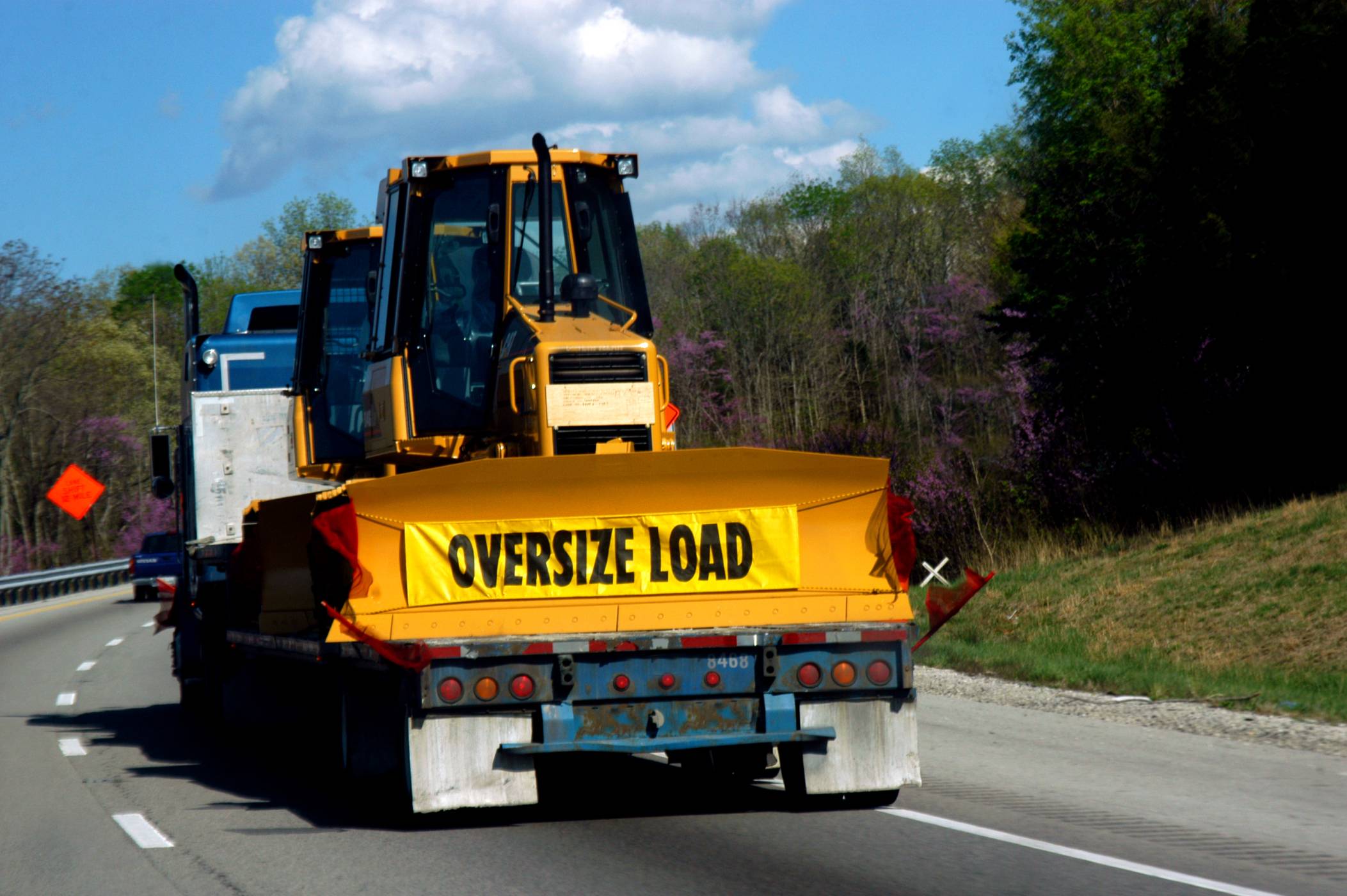
Federal Highway Administration guidance for oversize-load movement emphasizes route planning because permits may specify the required route and transportation conditions. Route planning can include checking clearances, road restrictions, bridges, construction zones, and other conditions before movement begins.
For additional information about oversize-load planning, the Federal Highway Administration route planning guidance explains considerations involved in moving oversized loads on public roads.
Common Route Obstacles
- Low utility lines
- Traffic signals and signs
- Tree limbs
- Narrow bridges
- Weight-restricted bridges
- Railroad crossings
- Tight intersections
- Road construction
- Steep grades
- Narrow rural roads
- Limited shoulder width
- Overhead structures
Why Permits and Escorts May Be Required
Entire buildings frequently exceed ordinary transportation dimensions. Depending on the route and jurisdiction, the move may require oversize permits, pilot vehicles, police coordination, utility crews, temporary traffic control, or restricted travel times.
These requirements should be identified during planning rather than after the structure has already been lifted.
What Happens During a Large Structure Move?
Although the exact sequence varies, a professionally planned building relocation usually follows several major phases.
| Phase | What Happens |
|---|---|
| Assessment | The building, sites, route, utilities, and structural conditions are evaluated. |
| Planning | Equipment, support systems, route requirements, permits, contractors, and scheduling are coordinated. |
| Preparation | Utilities are disconnected, attachments addressed, and structural support areas prepared. |
| Lifting | The structure is supported and raised using specialized lifting equipment. |
| Loading | Transport dollies, carriers, or other moving systems are positioned beneath the structure. |
| Transportation | The building travels along the approved route with required escorts and coordination. |
| Placement | The structure is positioned and lowered onto the prepared destination foundation or supports. |
| Final work | Utilities, exterior components, inspections, and finish work can then be completed. |
What Equipment Do Large Structure Movers Use?
Building relocation requires equipment designed for loads far larger and more complex than standard cargo. The exact setup depends on the structure and moving conditions.
Common Structural Moving Equipment
- Hydraulic jacking systems
- Structural steel beams
- Cribbing and temporary support systems
- Heavy-duty dollies
- Specialized transport carriers
- Prime movers and heavy transport vehicles
- Steering and maneuvering systems
- Load monitoring equipment
- Pilot and escort vehicles
When a project involves large machinery or construction equipment in addition to the building itself, specialized heavy equipment hauling may also be required to coordinate associated equipment transportation.
What Affects the Cost of Moving a Large Structure?
The cost of moving a structure varies significantly because every building, origin, destination, and route is different. Distance matters, but it is often only one part of the total project.
I would avoid relying on generic national price ranges without a site-specific assessment. A short move involving major utility work and difficult access can be more complicated than a longer move on an open route.
Major Large Structure Moving Cost Factors
| Cost Factor | Why It Matters |
|---|---|
| Structure size | Longer, wider, taller, and heavier buildings generally require more support, equipment, and planning. |
| Structural condition | Older or weakened buildings may require additional reinforcement before lifting. |
| Foundation type | Separating the structure from its existing foundation can vary greatly in difficulty. |
| Distance | Longer routes generally increase transportation time, labor, fuel, and coordination. |
| Route complexity | Bridges, narrow roads, tight turns, utilities, grades, and obstacles can increase planning and labor. |
| Permits and escorts | Oversize permits, pilot vehicles, traffic control, and utility coordination can affect cost. |
| Origin access | Limited room for beams, lifting equipment, and dollies can complicate preparation. |
| Destination access | Restricted maneuvering room or difficult ground conditions can affect final placement. |
| Foundation readiness | The receiving foundation must be ready when the structure arrives to avoid delays. |
What Information Helps Produce a More Accurate Estimate?
- Structure dimensions
- Building type and construction materials
- Photos of the structure
- Origin and destination addresses
- Approximate moving distance
- Foundation type
- Known access restrictions
- Utility or overhead obstacles
- Desired project timeline
How Do You Choose a Large Structure Moving Company?
Structural relocation is specialized work, so choosing a contractor should involve more than comparing price alone.
Questions to Ask Before Hiring Large Structure Movers
- How much experience do you have with structures similar to mine?
- How will you evaluate the structure before lifting?
- Who handles route planning and permits?
- What lifting and transport equipment will be used?
- What work is included in the estimate?
- Which responsibilities belong to other contractors?
- How will utilities and route obstacles be coordinated?
- How is the destination foundation incorporated into the schedule?
- What insurance and licensing apply to the project?
A contractor with broader structural moving and specialized transport capabilities can also help coordinate situations where building relocation overlaps with lifting, manufactured-home transportation, or heavy equipment movement.
Warning Signs to Watch For
- A firm quote without inspecting or gathering detailed information about the structure
- No discussion of route feasibility
- No explanation of permits or utility coordination
- Unclear insurance or licensing information
- No written explanation of what is included
- Little experience with structures similar to yours
- No clear destination placement plan
Frequently Asked Questions About Large Structure Movers
Can an entire house really be moved?+
Yes, many houses can be relocated intact when their construction, condition, dimensions, route, and destination allow it. The structure must first be evaluated to determine how it can be supported, lifted, transported, and placed safely.
How do movers lift an entire building?+
Structural movers commonly use steel support beams, hydraulic jacks, cribbing, and specialized lifting systems. The building is supported and raised gradually before transportation equipment is positioned underneath it.
How far can a large structure be moved?+
There is no universal distance limit. Route feasibility, structure dimensions, road restrictions, permits, utility conflicts, bridges, terrain, and project economics all affect how far a particular structure can practically be transported.
Do you need permits to move an entire building?+
Permits are commonly required when a building or transport combination exceeds standard roadway dimensions or weights. Requirements vary by jurisdiction and route and may include escorts, traffic control, restricted travel windows, or utility coordination.
Can historic buildings be relocated?+
Many historic structures can be moved, but their age, materials, structural condition, architectural features, preservation requirements, and route must be carefully evaluated before relocation.
What happens to the old foundation after a building is moved?+
The treatment of the original foundation depends on the property owner’s plans, local requirements, and construction scope. Demolition, filling, site restoration, or reuse may be handled separately from the structural move.
Does the new foundation need to be ready before the move?+
In many projects, the receiving foundation should be completed and ready before transportation so the structure can be placed without unnecessary delays. The exact sequence depends on the building and project plan.
Planning a Large Structure Move?
A successful relocation starts with accurate information about the structure, both properties, and the proposed route. Dimensions, construction type, foundation conditions, access, obstacles, destination readiness, and moving distance all help determine what the project will require.
When you are ready to evaluate a house, barn, commercial building, or other oversized structure, request a large structure moving estimate and provide as much information as possible about the building and proposed relocation.