
Mobile Home Movers
Associated Pacific Movers, Inc. is a team of mobile home movers handling permits, route planning, and specialized hauling equipment built for manufactured home transport.
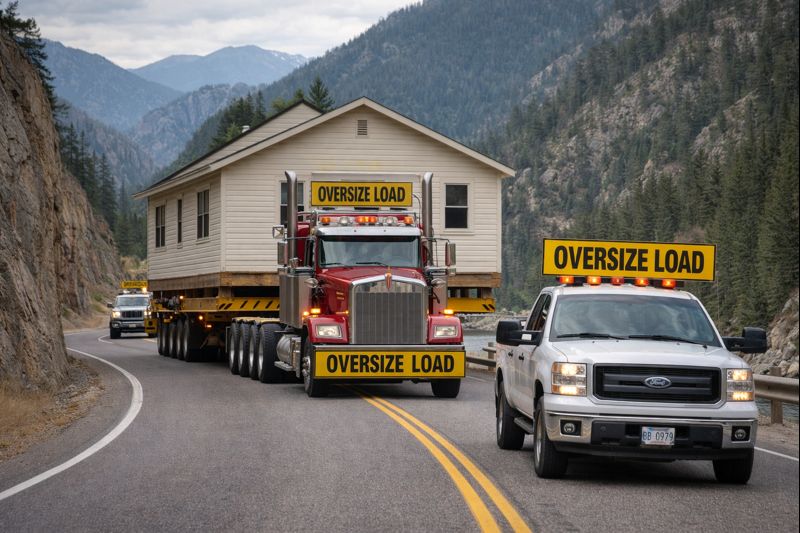
Moving a manufactured home is not a weekend project. It is an oversize load operation with real rules, real risks, and real consequences when corners get cut.
Route planning and escorts
Careful loading and transport
Clear, written estimates
Permitting reference: we follow Idaho Transportation Department guidance and coordinate the paperwork and routing details.
Fast Answers, Zero Fluff
Here is what usually determines how smooth the move goes, before you get into the finer details below.
What Our Mobile Home Movers Handle
The phrase “mobile home” is misleading. Safe transport requires trained crews, purpose-built dollies and towing, proper securing, and compliance that matches your route and dimensions. We coordinate measurements, permits, routing, escorts when required, and move-day execution so your structure arrives safely and on schedule.
Portable Structures We Commonly Transport
- Manufactured homes and mobile homes
- Park model homes and tiny homes
- Mobile offices and job site units
- Modular structures depending on configuration
Mobile offices and job site units come up more often than people expect. Contractors and site managers move these between projects on a schedule, which means the transport plan has to work around an active job, not just a single move date. We treat those the same way we treat a residential relocation: measure first, plan the route, then haul.
If your project needs lifting or full structural relocation instead of manufactured home transport, our home and building moving service may be a better fit.
Every structure we move gets measured before it gets touched. Width, length, roof pitch, and axle configuration all change how the load rides on the road and what escort or permit rules apply. Skipping that step is the single most common cause of a move that runs into trouble halfway to the destination.
Single-Wide vs. Double-Wide: What Changes
The two most common manufactured home configurations move very differently, and pricing follows the same pattern.
| Configuration | What it means for the move |
|---|---|
| Single-wide | One transportable section. Narrower load, more route options, and generally faster permitting. |
| Double-wide | Two sections hauled separately and rejoined at the destination. Wider load, more escort likelihood, and a reassembly step on-site. |
Double-wides usually cost more to move not because the distance changes, but because two oversize loads need coordinated timing, and the destination needs a crew ready to rejoin the sections and reseal the marriage line once both halves arrive. Park models and tiny homes on wheels behave more like single-wides in terms of routing, but their titling and permitting can differ depending on how they were originally registered.
How a Compliant Move Works
Every move is different, but the winning formula is boring and reliable: verify dimensions, map the route, secure permits, prep the structure, and haul with the right equipment.
Quote and Feasibility
We confirm home type, size, condition, pickup access, delivery access, and realistic timing.
Permits and Route Planning
We plan for clearances, restrictions, and escort needs, then coordinate the documentation.
Prep and Securement
We confirm readiness, secure the structure properly, and stage equipment for safe loading.
Transport and Delivery
We haul on the planned route, communicate progress, and coordinate delivery logistics at the destination.
What Affects Moving Cost
Pricing is not random. These are the variables that usually move the needle.
| Factor | Why it matters |
|---|---|
| Home size | Single-wide vs double-wide changes equipment, escorts, and route constraints. |
| Distance and route complexity | Clearances, detours, restrictions, and timing windows can add logistics and time. |
| Permits and escorts | Some routes require escorts or specific scheduling to stay compliant. |
| Site access | Tight turns, soft ground, obstacles, and limited staging space can add labor. |
| Condition and prep | Loose skirting, weak steps, unprepared interiors, or unsecured elements increase risk and time. |
A written quote should walk through each of these line by line rather than landing on a single flat number with no explanation. If a quote seems unusually low, ask specifically whether it includes permits, escorts, and site prep, since leaving those out is the most common way a lowball number turns into a higher final bill.
If your move overlaps with oversize logistics similar to transport operations, our heavy equipment hauling experience translates well to planning and compliance.
Long-Distance and Interstate Moves
Standard structure relocation is different from mobile home hauling. Manufactured homes often involve oversize rules, permit coordination, route restrictions, and equipment designed specifically for safe transport. For longer relocations, we coordinate multi-jurisdiction permits, route planning, and escort requirements when applicable, so your move stays compliant and predictable.
Crossing a state line adds a layer most people do not expect: each state sets its own oversize thresholds, escort rules, and travel-time restrictions, and a route that is legal on one side of the border can require a different permit on the other. We handle that coordination directly rather than leaving you to track down each jurisdiction’s rules yourself. Weather and seasonal road restrictions can also shift a timeline, particularly on mountain routes, so we build in realistic buffers rather than promising a date we cannot guarantee.
Preparing to Move Your Mobile Home
A little preparation on your end saves real time on move day. Most delays we run into trace back to one of the items below getting skipped rather than to anything on our side of the job.
- Request a quote and confirm what is included, including permits and escorts when needed.
- Confirm licensing and insurance, then verify experience with your home type and size.
- Review route feasibility, including clearances, restrictions, and timing constraints.
- Prepare the destination site for access, staging, and safe delivery.
- Disconnect utilities safely and plan for post-move setup and utility coordination.
- Remove fragile items and secure anything that can shift during transport.
Clean access, clear staging space, and a ready destination pad usually save more time than any quick fix ever will.
Why Licensed Movers Matter
Hiring licensed, insured movers reduces the risk of structural damage, compliance problems, and avoidable delays. That is especially true when the route involves restrictions, escorts, or tight access. An uninsured or unlicensed operator might quote a lower number, but that quote does not cover the cost of a damaged home, a missed permit, or a fine for an illegal move. Ask any provider for their license and insurance details before you sign anything. A legitimate crew hands them over without hesitation.
Common Reasons People Move a Mobile Home
- Relocation for work, family, or lifestyle changes
- Transport for repairs, replacement, or resale
- Moving to a new park, property, or long-term site
If you are researching providers, this guide can help you filter serious crews from the pretenders: how to choose the best moving company.
Frequently Asked Questions About Mobile Home Moving
How much does it cost to move a mobile home?+
Cost depends on home size, distance, route complexity, permits, escort requirements, and site access. Call for a written quote based on your specific pickup and delivery conditions.
How do you move a mobile home safely?+
Safe moving starts with proper measurements, route planning for clearances, compliant permits, correct securement, and equipment designed for manufactured home hauling.
What permits are needed to move a mobile home?+
Permit requirements vary by route and jurisdiction. Many moves require oversize permits and sometimes escort vehicles depending on dimensions and route segments. We coordinate the permit and routing steps for your move.
How far can you move a mobile home?+
Distance depends on home type, dimensions, route restrictions, and permitting logistics. Local and longer moves are both possible when routing and compliance line up with timing and access.
Do you offer setup and leveling after transport?+
We can assist with delivery coordination and next-step planning after transport. Tell us what your destination requires and we will map the right scope for your project.
When should I schedule my move?+
Schedule as early as possible, especially during busy seasons. Early scheduling helps secure preferred dates and reduces permit-related timing problems.
Can you move a mobile home with furniture still inside?+
Light furniture that is properly secured can sometimes stay in place, but glass, electronics, and anything fragile or loose should be removed first. We can walk through what needs to come out during the quote call so nothing gets damaged in transit.
Request a Quote for Mobile Home Movers
Call to discuss permits, route planning, escorts, and transport timing. You will get a clear plan, not vague guesses.