
Structural Moving Services
Structural moving services from Associated Pacific Movers, Inc. cover houses, buildings, mobile homes, and heavy equipment that need permits, lift planning, and specialty transport instead of a standard moving truck.
Every project starts the same way. We look at the structure or load, the route, and the destination, then match it to the right crew, equipment, and paperwork before anything moves.
Permit reference: Idaho Transportation Department oversize and overweight permits.
What makes structural moving different from a standard move
A general moving company packs boxes and drives a truck. None of that applies here. Structural moving means lifting a building off its foundation, or hauling a load that exceeds the weight and dimension limits of ordinary freight. Both require crews who understand load distribution, support engineering, and the permitting that comes with oversize transport.
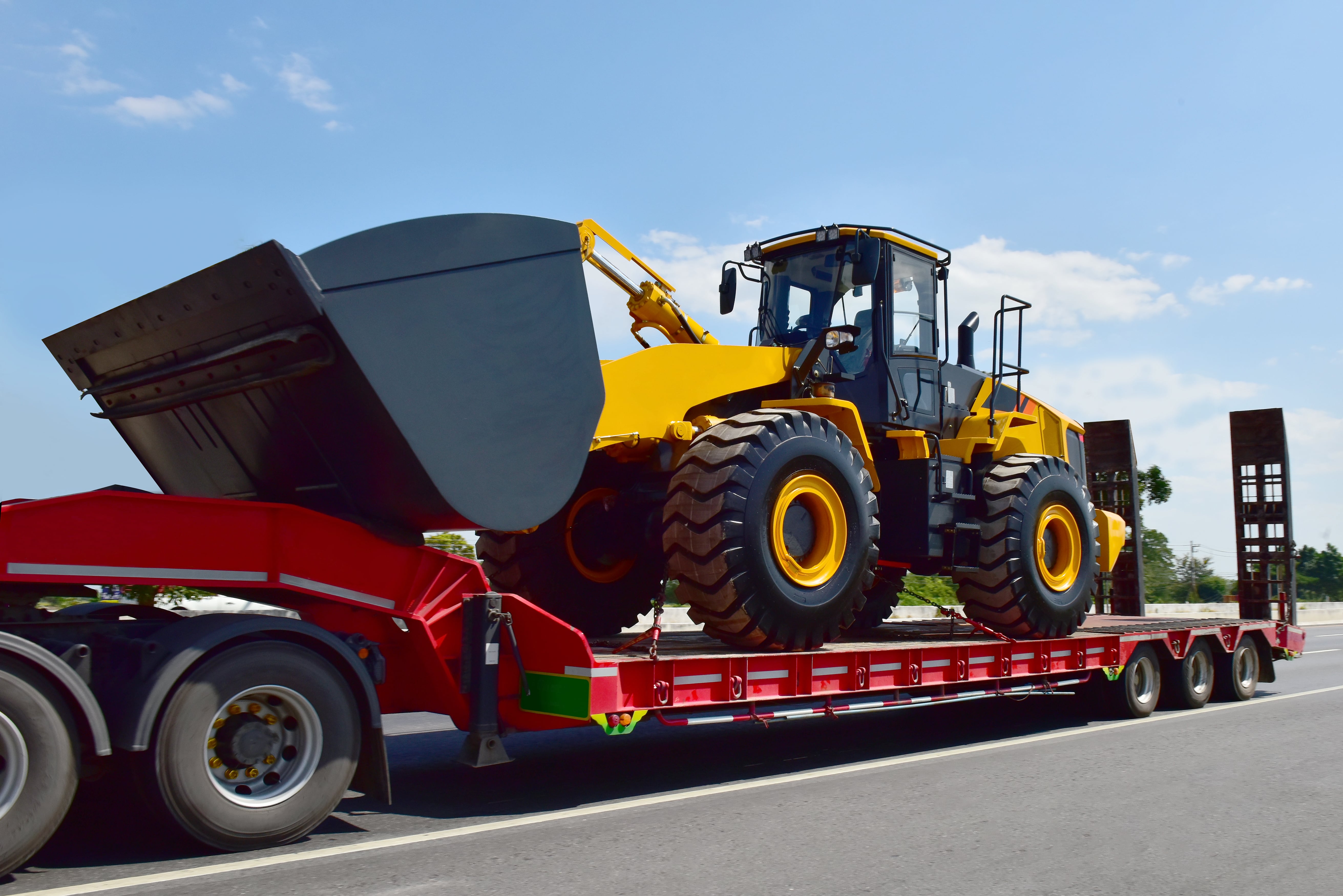
The planning starts with the structure or machine itself. A single-story house behaves differently under a lift than a two-story home with a full basement. A bulldozer with an attached blade hauls differently than the same machine with the attachment removed. Getting those details right before move day is what keeps a project on schedule instead of stalling halfway through.
Route conditions matter just as much as the load. Narrow rural roads, seasonal weight restrictions, low overpasses, and bridges with posted limits can rule out an otherwise straightforward route. We are based in Idaho, and we check clearances and road conditions before quoting a timeline, not after a truck is already loaded and stuck. That review usually takes a phone call and a few photos, not a site visit, so it rarely slows down the quote process.
The five services we plan around
Each service uses different equipment and planning, so matching the right one to your project up front saves time and avoids a wasted quote call.
Home and Building Moving
Relocate a house, cabin, shed, or commercial building to a new site with route planning, lift support, and final placement on the destination foundation or supports.
House Lifting and Building Raising
Raise and stabilize a structure that stays on-site so foundation repair, crawlspace work, or flood elevation can happen underneath it with controlled support.
Mobile Home Movers
Move single-wide and multi-section manufactured homes with the correct hauling setup, securement, permits, and route clearance.
Heavy Equipment Hauling
Move oversized or overweight construction, agricultural, and industrial machinery with the right trailer, securement plan, and permit-aware routing.
Commercial Equipment Transport
Standard business and jobsite equipment relocation for contractors, facilities, and operators who need reliable timing without the oversize permitting that heavy hauling requires.
How to choose the right service for your project
Most of these services overlap in the real world, but the decision usually comes down to one question: is the structure or machine staying on-site, going somewhere else, or riding on a trailer?
How we deliver structural moving services
If a building is going to a different lot, that is a relocation project built around route planning, lift points, and destination placement. If the building stays where it is and needs to come up for repair or foundation access, that is a lifting project built around support sequencing instead of transport. Manufactured and mobile homes follow oversize transport rules that differ from a conventional house move, and machinery moves depend on whether the load crosses legal weight or dimension thresholds.
| Situation | Best fit | What it depends on |
|---|---|---|
| Relocating a house or building to another site | Home and building moving | Route, lift points, destination readiness |
| Raising a structure for foundation or repair work | House lifting | Support sequencing, load distribution |
| Moving a manufactured or mobile home | Mobile home movers | Oversize permits, securement, route clearance |
| Moving oversized or overweight machinery | Heavy equipment hauling | Legal thresholds, trailer match, escorts |
| Moving standard business equipment on a deadline | Commercial equipment transport | Loading method, scheduling, site access |
Why property owners choose structural moving over rebuilding
Demolishing a building and starting over is not always the smarter option. A structure that is well built but sitting on the wrong lot, in a floodplain, or in the path of a development project can often be preserved by moving or lifting it instead. That decision comes up constantly across the projects we plan.
- Preservation. Historic homes, family properties, and well-built structures keep their value and character when they are relocated instead of torn down.
- Site redevelopment. Land development, subdivision, and utility work sometimes requires the existing structure to move rather than be demolished.
- Flood and drainage risk. Raising a home above a floodplain elevation or improving drainage under the structure is usually far less disruptive than a full rebuild.
The same logic applies to machinery and manufactured homes. Replacing a piece of heavy equipment is expensive, and setting up a new manufactured home from scratch usually costs more than transporting the one you already own to a new site.
Common situations that call for these services
Residential and commercial property owners
- Relocating a house to a different lot or a more practical site
- Raising a home for foundation replacement or flood elevation
- Moving a manufactured home to a new park or property
- Preserving a historic or sentimental structure instead of demolishing it
Contractors, farms, and businesses
- Clearing a building off a development site before construction begins
- Moving industrial, agricultural, or construction equipment between jobsites
- Relocating restaurant, retail, or office buildings during redevelopment
- Coordinating a facility move that includes both structures and machinery
What happens after you request a quote
The planning steps are similar across every service, even though the equipment and permitting differ.
- Share the details. Structure or equipment type, approximate dimensions, current location, and destination.
- Route and access review. We check clearances, grades, turns, and any permit requirements tied to the route.
- Lift and securement plan. Equipment, support points, and load securement get matched to the actual job, not a generic template.
- Move day and placement. Transport, lift, or set-down happens on the planned schedule with coordination at both ends.
Timing varies by project. A local shed or small building move might come together within a week once permits clear. A cross-state manufactured home move or a commercial equipment relocation tied to a facility shutdown usually needs several weeks of lead time for permits, escorts, and scheduling around your operations. We will give you a realistic window once we know the scope.
Licensing and project history
Associated Pacific Movers, Inc. is a licensed Idaho contractor and manufactured home installer with matching credentials in Oregon for cross-border projects. Real project photos from past moves are available in our project gallery, and property owners who have worked with the crew have posted feedback covering everything from shed placement to full building relocations.
- Idaho Contractor License #RCE7499
- Manufactured Home Installer License #553
- Public Works License #PWC-C-1105
- Oregon Contractor License #105934
- Oregon Dwelling Installer License #1494MDI
Our crews are also members of the American Association of Structural Movers, an industry group focused on the specific engineering and safety standards that structural relocation and lifting work requires. That membership matters because structural moving is not a licensing category most general contractors carry, so it is worth confirming before you hire anyone for a lift, raise, or relocation project. Ask any structural mover for their license numbers before signing anything. A legitimate crew will hand them over without hesitation.
FAQs about structural moving services
What is the difference between moving a building and lifting it?+
Moving relocates the structure to a different site. Lifting raises the structure where it already sits so foundation, repair, or support work can happen underneath it.
Do you serve areas outside Boise?+
Boise is our operating base, and we plan and execute structural moves throughout the surrounding region. Route and timing depend on the specific project.
Do mobile home moves require different permits than a house move?+
Often, yes. Manufactured home transport is treated as an oversize load with its own permit and escort requirements, which differ from moving a conventional structure.
How do I know if my equipment move needs heavy hauling instead of standard transport?+
If the load is oversized, overweight, or has an unusual center of gravity, heavy hauling planning is typically the better fit because permits and route limits can define the schedule.
What information speeds up a quote?+
Structure or equipment type, approximate dimensions, current and destination addresses, photos when available, and your target timeline.
Can one project need more than one of these services?+
Yes. A relocation might also need lifting for placement, or a structural job might need machinery moved off the site first. Mention every part of the project when you request a quote so it can be planned together.
Ready to plan your move?
Send the structure or equipment details, the current location, and the destination, and we will match your project to the right crew and equipment.