
Commercial Equipment Transport
Commercial equipment transport is about moving job-critical machinery without downtime, damage, or permit headaches. Associated Pacific Movers, Inc. coordinates safe, compliant transport for contractors, businesses, and property owners, with planning that covers loading, securement, route clearance, and delivery access.
We are based in Idaho and coordinate pickup and delivery across the surrounding region. Need a broader option set? Start at our services overview, or compare a specialized route through our heavy equipment hauling or home and building moving services below.
Securement focused
Compliance aware
When Timing Matters Most
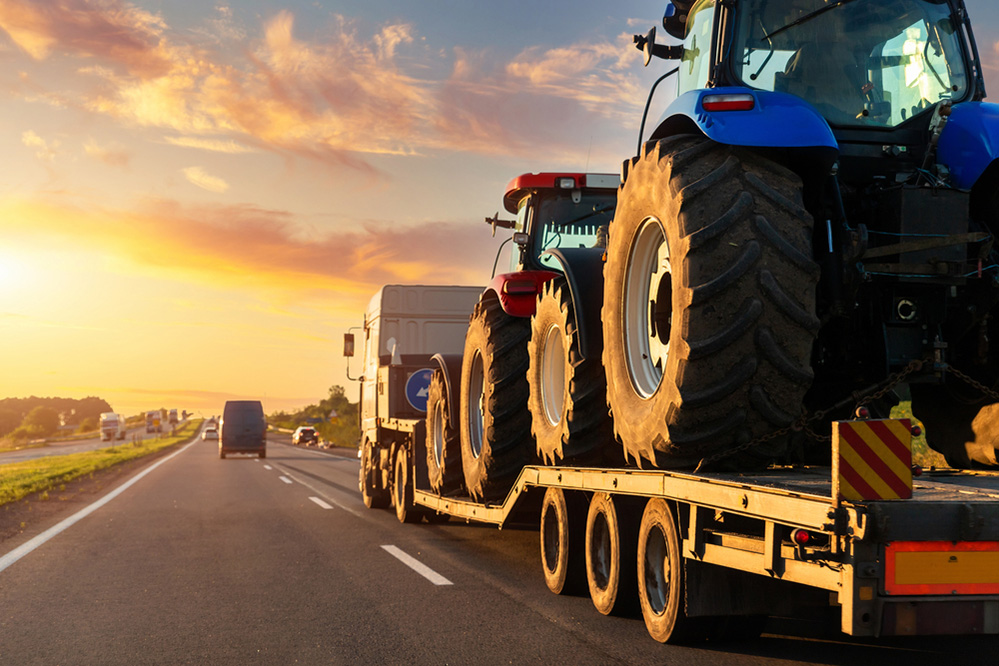
Equipment moves usually happen when the clock is already ticking. You might be relocating a jobsite, shifting a production line, delivering a purchased asset, or consolidating inventory across facilities. The goal is simple: get the machine where it needs to be, on time, in working condition, with the right documentation for the handoff.
- Construction and jobsite relocations
- Facility expansions and warehouse transfers
- Customer deliveries, vendor pickups, and returns
- Seasonal shifts for agriculture and landscaping equipment
- Planned shutdown moves that must finish inside a narrow window
If your load is oversized or overweight, the right starting point is typically heavy equipment hauling because permits and escort planning can drive the whole schedule.
A machine that runs and drives onto the trailer under its own power is a different job than one that has to be lifted or staged with rigging. Non-running equipment, machines missing attachments, and units with an unusual center of gravity all add steps to the loading process that a standard commercial load does not need. Flagging that detail when you request a quote keeps the crew from discovering it on arrival.
What Changes the Plan
Two machines that look similar can require totally different setups. Axle weight, loading angle, securement points, and ground conditions at pickup or delivery can shift the transport method.
Those numbers describe a simple planning model, not a promise of fixed steps for every load. The safest plan is the one that matches the equipment and site conditions in front of us.
How We Handle Commercial Equipment Transport
Commercial equipment hauling is not one tool, it is a toolkit. The best option depends on equipment type, weight, height, ground clearance, and the loading environment.
Flatbed Trailers
Flatbeds are a go-to option for many commercial loads because the open deck makes loading straightforward, and the platform supports diverse machinery types. Clearance and legal limits still apply based on the machine footprint.
Step Deck Trailers
Step decks reduce deck height while staying versatile. They are often selected for taller equipment that could push height limits on a standard flatbed route.
Double Drop Trailers
Double drops provide an even lower deck height for heavy machines and height-sensitive routes. This setup is common when clearance and stability are the defining constraints.
Towing Configurations
Towing can be cost-effective for towable equipment, but it still requires route planning, securement logic, and a realistic assessment of how the equipment behaves at speed and over grade changes.
How We Choose the Right Setup
- Machine weight and axle distribution
- Overall height, width, and transport stance
- Securement points and tie-down access
- Loading method: ramps, forklift, or crane coordination
- Pickup and delivery approach angles and surface condition
Safety Priorities That Prevent Damage and Delays
Securement Built for Stability
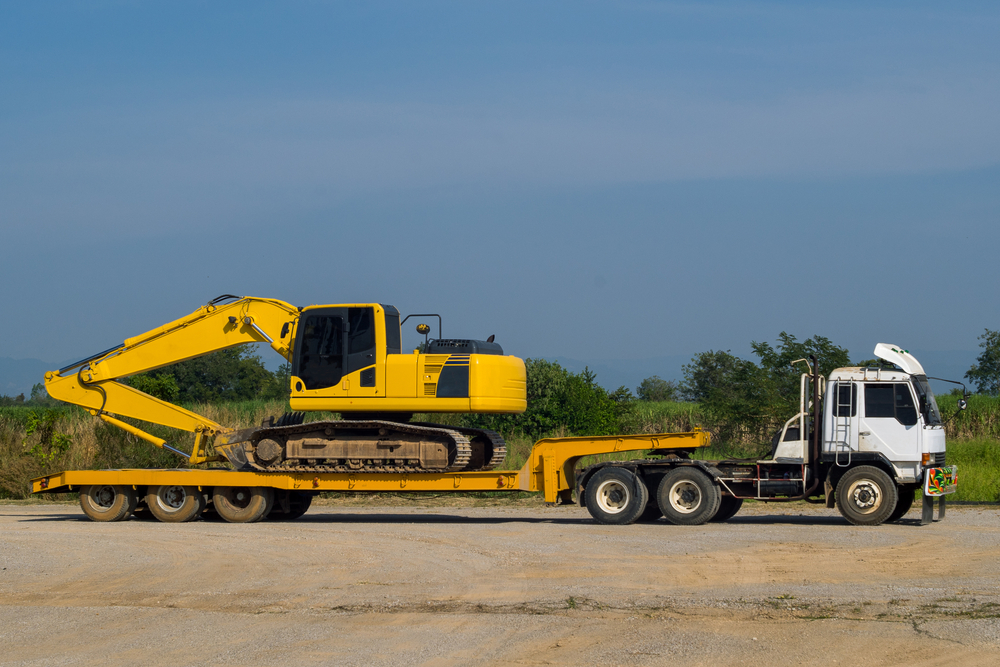
Securement is not just straps. It is the correct tie-down method, correct ratings, correct angles, and a plan that prevents shifting on turns, stops, and uneven surfaces.
- Rated chains and binders when appropriate
- Blocking and stabilization where needed
- Redundant securement on critical loads
Route Clearance and Access
Clearance planning is not just highways. Tight turns, narrow approaches, soft ground, and overhead constraints at the delivery site can be the difference between smooth unloading and expensive improvisation.
- Bridge and overhead clearance considerations
- Turning radius and approach planning
- Weather and surface condition awareness
Permits and Compliance
When loads exceed legal thresholds, permits and route rules can determine timing. Oversize and overweight resources are available through the Idaho Transportation Department.
- Oversize thresholds and route restrictions
- Escort requirements on certain moves
- Documentation matched to the planned route
Risk Factors by Move Type
Different industries tend to struggle with different pain points. This simple visual helps explain why planning matters even when the distance is short.
These bars are illustrative, not statistical claims. The goal is to communicate where planning effort usually concentrates, not to rank one industry against another.
Paperwork That Keeps Projects Moving
Commercial hauling often requires documentation that supports safe pickup, transport, and delivery. Paperwork varies based on the load, route, and customer requirements, but the goal is always clarity at handoff.
What We Confirm Before Transport
- Equipment dimensions, weight, and securement points
- Pickup and delivery access conditions
- Trailer and loading method selection
- Delivery window and onsite coordination
- Any permit and route constraints that apply
If the project involves lifting, staging, or elevation changes at the site, pair transport planning with house lifting and building raising services so the full scope is coordinated cleanly.
Commercial Transport vs. Heavy Equipment Hauling
These two services overlap in the real world, but the intent is different. One is often a standard commercial relocation, the other is defined by legal thresholds and route constraints.
| Service | Best for | Typical needs |
|---|---|---|
| Commercial equipment transport | Standard commercial loads and machinery transport | Trailer selection, securement planning, coordination |
| Heavy equipment hauling | Oversized or overweight equipment requiring specialized planning | Permits, clearance planning, route constraints, escorts |
If you are unsure which category your move fits, we can sort it quickly from basic dimensions, weight, and site access notes.
Planning Checklist Before You Request a Quote
Good inputs create good outcomes. If you can provide these basics, your quote becomes more accurate and the scheduling becomes easier.
- Machine make and model, or a clear equipment description
- Approximate dimensions, including height in transport stance
- Approximate weight and any attachments included
- Pickup and delivery addresses with access notes
- Loading method available on site: ramps, forklift, or crane
- Preferred date range and any site restrictions
Equipment and structure logistics often intersect on complex job sites, so bookmark this checklist alongside whichever structural service applies to your project.
A quote built from a photo and a phone number is a guess, not a plan. Sending real measurements upfront is what turns a rough estimate into a firm price and a firm pickup window, and it is the single fastest way to avoid a rescheduled load on the day of the move.
Who We Work With
Commercial equipment transport covers a wide range of industries, and each one tends to run into a different version of the same problem: getting a machine somewhere on a schedule that was set before the transport plan existed.
Contractors and Site Managers
Jobsite equipment needs to move between phases of a project without stalling the crew waiting on it at the other end. We plan pickup and delivery around active work, not around our own convenience.
Facility and Operations Teams
Warehouse transfers, line moves, and facility consolidations usually run on a fixed shutdown window. We build the transport plan to fit inside that window instead of extending it.
Farms and Agricultural Operations
Seasonal equipment moves are time-sensitive by nature. Planting and harvest windows do not wait, and neither does the machinery that has to be in place before they start.
Property Owners and Vendors
Customer deliveries, vendor pickups, and equipment returns each come with their own paperwork and handoff expectations, which we confirm before the truck ever leaves.
Commercial Equipment Transport FAQ
What do you need to quote commercial equipment transport?+
We typically need equipment type, approximate dimensions, weight, pickup and delivery locations, access notes, and your timeline. Photos help confirm securement points and loading needs.
Can you transport equipment outside Boise?+
Yes. We coordinate transport throughout the region and can support longer-distance moves depending on equipment details and route requirements.
When does equipment transport require permits?+
Permits are often required when loads exceed certain width, height, length, or weight thresholds. We confirm requirements and plan routes based on the specifics of your load.
Do you also move buildings and structures?+
Yes. If your project involves a structure move, our home and building moving service covers the process and logistics.
Should I start with equipment transport or heavy equipment hauling?+
If you suspect your load is oversized or overweight, start with heavy equipment hauling because permits and route constraints can define the schedule and equipment selection.
Contact Us for Commercial Equipment Transport
Every business needs reliable results from the company handling its equipment transportation. Connect with our team for scheduling and logistics coordination.